Potassium is an essential element for all living organisms. There are four categories of physiological – biochemical processes in plants for which the importance of potassium is recognized.
- Enzyme activation (Leigh and Wyn Jones 1984, Walker et al. 1998).
- The processes of transport and movement of nutrients through cell membranes (Salisbury and Ross 1992, p. 157, Patrick et al. 2001).
- The neutralization of anions necessary to maintain the potential of membranes (Maathuis and Sanders 1996, Leigh 2001).
- And the regulation of the osmotic potential necessary to maintain water relations in plants (Davies and Zhang 1991), maintain turgidity and increase.
* Although some other cations can replace potassium in some of the above , functions, the action of potassium is particularly important as the membranes of plant cells exhibit high permeability to it , and at the same time are among the most widespread cations in plant tissues.
Potassium uptake by plant roots is determined by its availability in the soil and by the growth and distribution of the root system. * These factors are influenced by the physical (mechanical composition , moisture , permeability and depth) and chemical (pH , composition) properties of the soil.
Potassium present in the soil is not all available for plants. · It is found in four , formats, which in order of availability are the following:
- The content in the soil solution
- The exchangeable
- The committed (non-fungible)
- Mineral content (Sparks and Huang 1985, Sparks 1987).
These forms of potassium in the soil are in dynamic equilibrium. · The rate of uptake of potassium by plant roots and soil characteristics such as its mineralogical composition (the type and amount of soil minerals ,, the effect of time on them and the size of soil fractions), humidity, pH and structure determine the form of potassium prevalent in the soil (Sparks and Huang 1985, Northcote 1992, Horra et al. 2000, Zeng and Brown 2000).
Potassium intake can be affected by the presence of other cations. At high concentrations of other cations, potassium intake may be reduced. For example, in saline soils where Na is the predominant cation, there is the possibility of potassium deficiency (Chow 1990).
* Under conditions of low external potassium concentration its uptake is specialized , when at higher external concentrations (>0.5 mmol/L) cations can competitively limit potassium uptake (Epstein et al. 2008). 1963).
Extra excess Na and Cl in saline soils disrupt the ion balance by influencing the selectivity of cell membranes in the roots (Bohra and Dorffling, 1993).
Thus, the concentration of potassium ions in the soil solution in relation to the concentration of the remaining ions determines the amount of potassium to be ingested by plants.
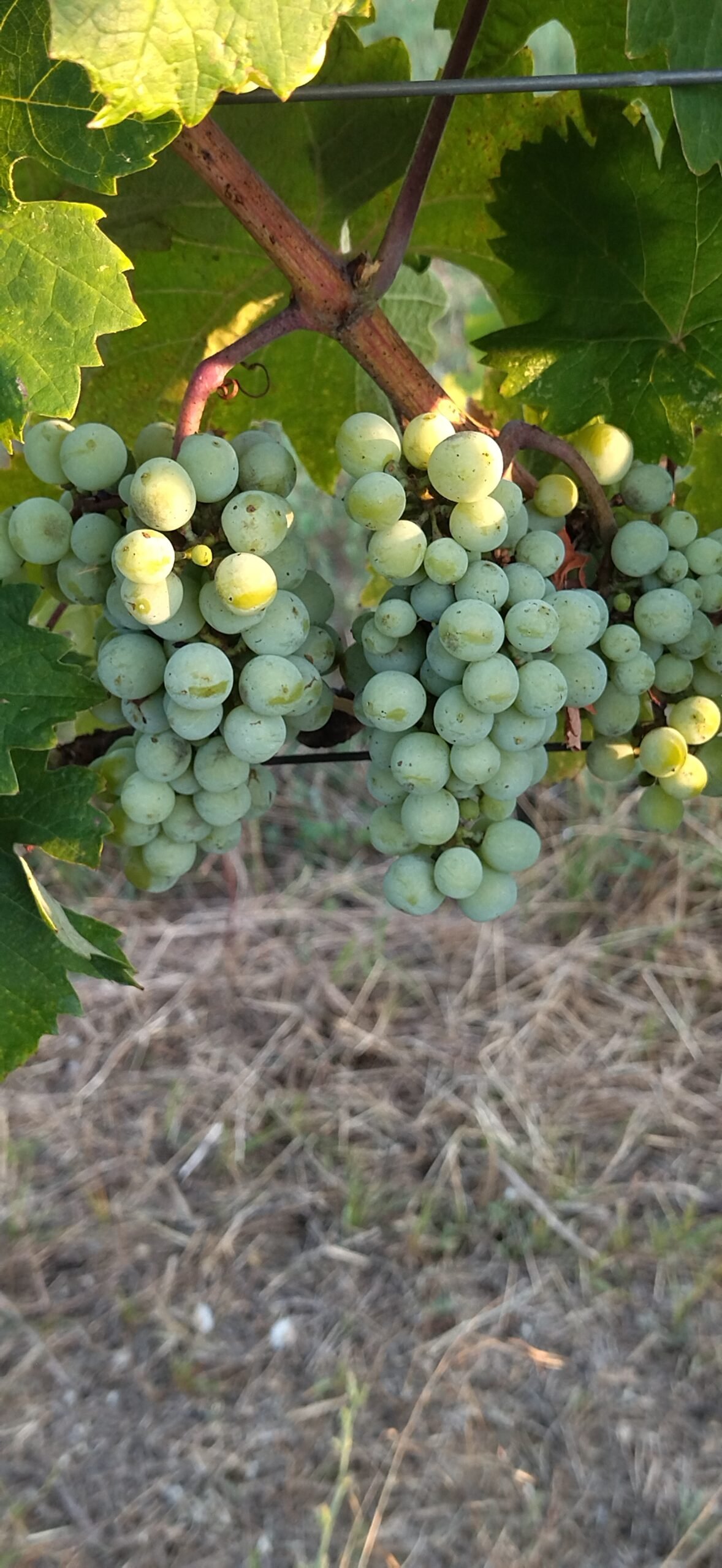
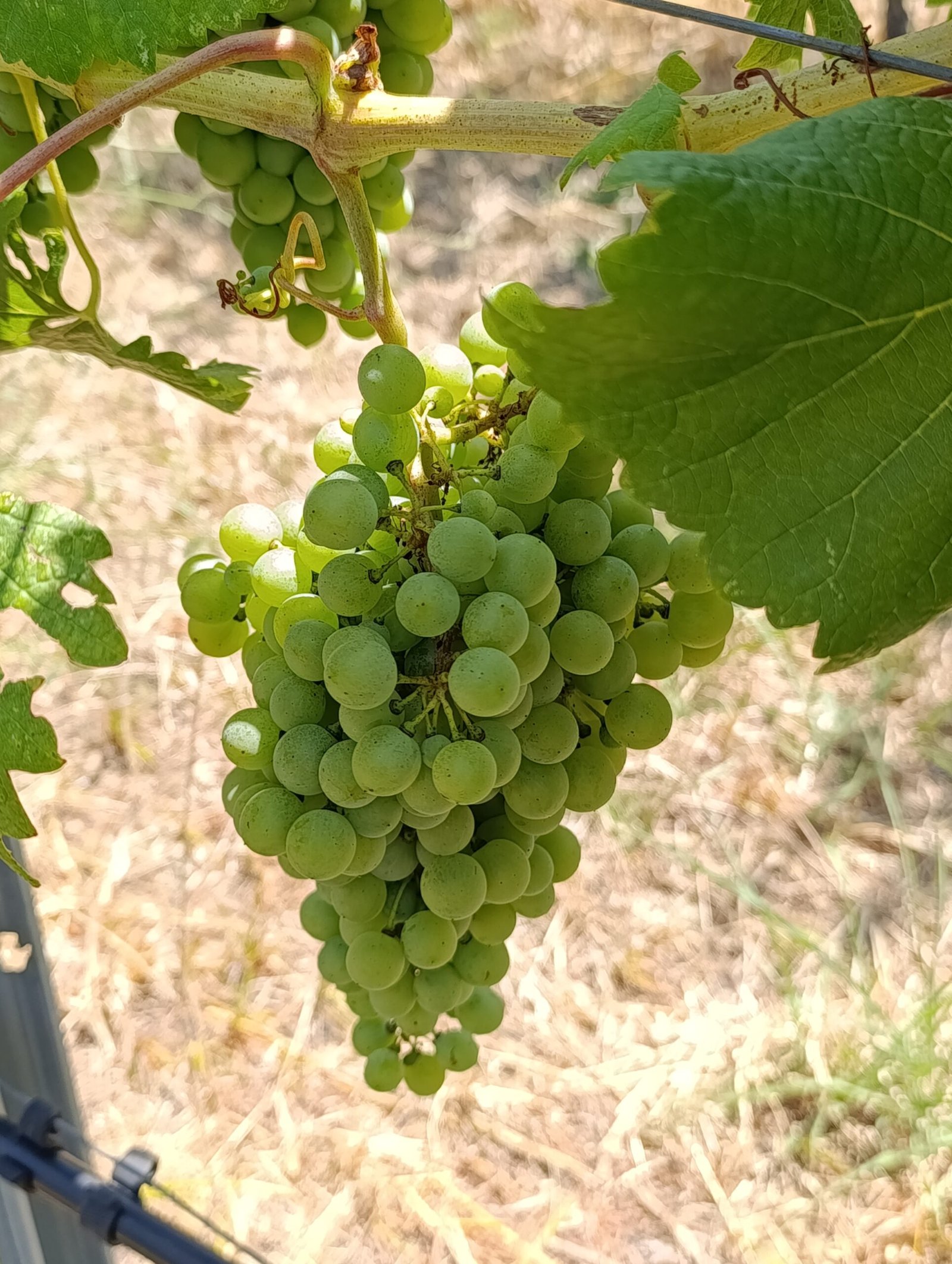
· Corresponding to other developing tissues and hoarding organs , rails are an important potassium reservoir. Potassium is the predominant cation on mature rails.
The potassium content of berries generally increases during the vegetative period (Conradie 1981, Possner and Kliewer 1985, Doneche and Chardonnet 1992, Boselli et al. 1995, Rogiers et al. 2001) , showing a sharp increase at the beginning of maturation (Ollat and Gaudillere 1996).
· Factors such as the , variety, the , load, the climate and the cultivation practices applied that influence the growth rate of the rail and/or the accumulation rate of , are expected to determine the final concentration of potassium in the rails.
· , soil microclimate and applied cultivation practices influence the final concentration of potassium in the rails by influencing the uptake by the , roots in its movement from the roots to the vine and vice versa , in the amount of potassium in the , storage tissues in the number of , rails and the growth rates relative to vigorousness of the vines.
The interaction of these factors with each other makes it difficult to regulate the concentration of potassium in the rails to the desired levels.
Potassium is essential for the growth and productivity of the vine. However, the high concentrations of potassium accumulated on , rails, especially during the maturation period, are likely to have a negative effect on the quality of the wine produced, as a decrease in free tartaric acid is caused, resulting in an increase in PH in , juice in must and wine.
This makes it necessary to add tartaric acid during winemaking in order to adjust the pH to the desired levels. However, the high potassium concentration can also lead to high losses of added tartaric acid due to precipitation in the form of tartrates. Thus, the case for regulating PH during winemaking becomes difficult and demanding in cost.
· By ensuring that the potassium concentration in the rail is at normal , levels, the reduction of input costs during winemaking and waste management costs in the winery is achieved.
· Grape juice with high pH often results in must and wine produced being more susceptible to oxidation and microbiological infestations , while wine has high pH , low acidity and flat taste (Somers 1977).
The high pH can also negatively affect the quality of the colour in the red wines. * The degree of ionization of , anthocyanins which indicates the percentage of total anthocyanins found in , color forms decreases as PH increases (Somers 1975).
Anthocyanins are found in the bark of the rail (Somers and Pocock 1986), where the concentration of potassium is generally higher (Iland and Coombe1988, Walkeret al. 1998). · So the concentration of potassium in our rails is more often concerned with the red vinification of , as during the red vinification we have a coexistence of the must with the marcs for a time sufficient to extract the pigments at the desired level. However, during the prolonged coexistence of must and marc, a greater amount of potassium is extracted.
· Among the tissues of the , rail, the concentration of potassium per unit fresh weight is higher in the bark than in the flesh (Coombe 1987, Iland and Coombe 1988, Walker et al. 1998). · The potassium concentration in the seeds is lower than that of the , bark but slightly higher than the concentration in the flesh (Walker et al. 1998).
The degree of differentiation in potassium concentration between rail tissues varies depending on the variety grown and the subject/vaccine combination used.
Experimental data from five varieties evaluated autorooted and in combination with the Ramsey subject showed that the potassium concentration in the bark is 1.7-6.9 times that of the flesh and 1.6-4.3 times that of the seeds.
These differences between the tissues of the rail can be interpreted in the different structure of the cells. * Compared to flesh, cortical cells are smaller , with thicker walls and more cytoplasm (Harris et al.1968, Considine and Knox 1979, Nii and Coombe 1983). The concentration of potassium in the cytoplasm is 5 to 10 times greater than that in the juice fields (Flowers and uchli 1983).
· At the flesh level the potassium concentration is lower in the , peripheral zone while increasing towards the centre tissues (Coombe 1987).
· Potassium concentration in the permanent parts of the vine (root , trunk , vines) can occur throughout the , vegetative period including the post-harvest period. · Potassium can be moved to meet the needs of , leaf and , grape shoots when soil uptake is not sufficient.
During their development, the rails are the strongest point of potassium accumulation, especially in the period between percussion and maturation. This may be due to the high needs of the rails during the period of rapid cell growth.
← When Harvesting , Grapes Contain 60% or more of the total potassium content corresponding to the above-ground part of the plant (Conradie 1981, Smart et al. 1985a,Williams et al. 1987).
Experimental data have shown that between ripening and ripening the potassium content of the grapes increases and that the potassium levels accumulated are greater than the amount ingested by the vine (Conradie 1981). · At the same time, the potassium content in the trunk of , roots, vines and leaves decreases (Conradie 1981).
This difference shows that a significant amount of potassium accumulated on the rails is transported by other organs of the plant.
· On the contrary, , was found not to have been moved between organs in plants with high potassium content during the pre-harvest period (Levy et al. 1972).
· The movement of potassium from the rest of the organs on the rails seems to depend on its availability in , soil, on its uptake capacity by the root system and on the required speed of its movement from the vine to the rails in order to meet their potassium needs.
Information on the distribution of potassium in the parts of the rail is useful for developing methods in winemaking that will help reduce the negative impact on the quality of wines from high potassium concentrations.
At the same time, they contribute to the understanding of the mechanisms of controlling the origin of , distribution and accumulation of potassium in the rail.
Source: A review of potassium nutrition in grapevines with special emphasis on berry accumulation. Mpelasoka, Schachtman, Treeby & Thomas ,2003. Australian Journal of Grape and Wine Research 9, 154–168.