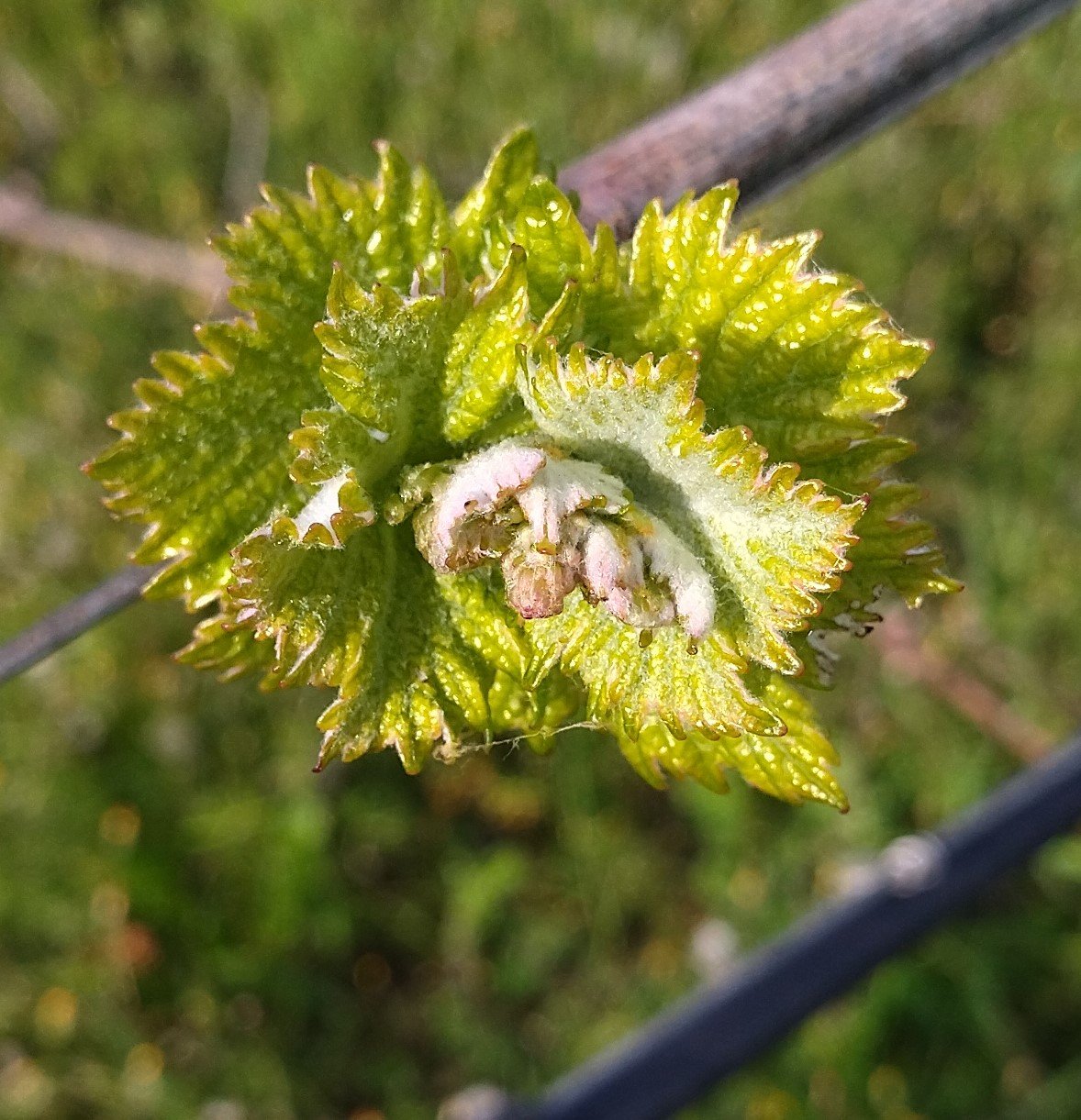
During the annual vegetative cycle in the vine, nutrient deficiencies can occur that affect the physiology of the plants. * Nutrient deficiencies can affect the size of ,; the color of ,; the chemical composition of ,; the yield and life expectancy of individual organs or the entire plant. The deficiency may relate to one or more elements (Pearson and Goheen 1988). * Visible symptoms provide information on the cause of , but soil and leaf analyses (laminate or stalk) confirm nutritional disorder
Mobility in the Bible and the role of nutrients in the physiology of the vine are summarised below.
| Nutrient | Mob. in the Bible | Key Role |
| Nitrogen | Y | * Component of , chlorophyll of , proteins of , hormones of , nucleic acids of , lecithin of vitamins and alkaloids. · Promotes vegetative growth (vigority) , causes delay in the growth of , buds; increases the size of , shoots and leaves; increases susceptibility to drought; and to , diseases; causes a decrease in resveratrol synthesis; , prolongs the vegetative period; , promotes shortages of Fe and K. Promotes an increase in , production; delays maturation and degrades quality. |
| Phosphorus | Y | * Component of , cell membranes of , nucleic acids of , vitamins of , lecithin of proteins and ATP. Promotes the growth of extreme meristems on shoots and roots. Improves the aroma of grapes. |
| Potassium | Y | · Promotes the growth of , shoots improves resistance to cold and , diseases the accumulation of sugars and starch (on the rails and woody parts respectively), controls the aqueous state and acidity level by activating several enzymes. It is required for the synthesis of proteins. |
| Calcium | X | Component of cell walls. It is involved in the synthesis of proteins and carbohydrates and in transpiration. |
| Magnesium | Y | Component of chlorophyll and enzyme activator. It is involved in the distribution of carbohydrates. |
| Sulphur | Y | * Ingredient of some amino acids , vitamins and coenzyme A |
| Iron | M | * Component of cytochrome and other enzymes involved in photosynthesis , respiration and reduction of nitrates. |
| Boron | M | · Promotes the growth of , roots; the synthesis of , lignin; the functionality and integrity of membranes; the germination of pollen; and the growth of , pollen tube; and the concentration of sugars. |
| Manganese | X | * It is involved in the metabolism of oxidations and , proteins in photosynthesis and hormone regulation. · Improves the fertility of , buds, , fruit setting, woodworking and bouquet of wines. |
| Zinc | M | · Improves the fruiting of , buds, the fruit setting of ,, the resistance to drought and cold ,, the stability of the membranes and the bouquet of wines. |
| Copper | M | * Involved in the formation and fertility of , pollen in lignin synthesis and disease resistance. |
| Molybdenum | M | Component of reductase nitrate, involved in nitrogen metabolism. |
| Chlorine | Y | It is involved in the course of oxygen during photosynthesis and in the regulation of mouths. It stimulates the ATPase responsible for the movement of protons through the tonoplast. |
Y: High , X: low, M: moderate
:Methodologies and Results in Grapevine Research , 2010.