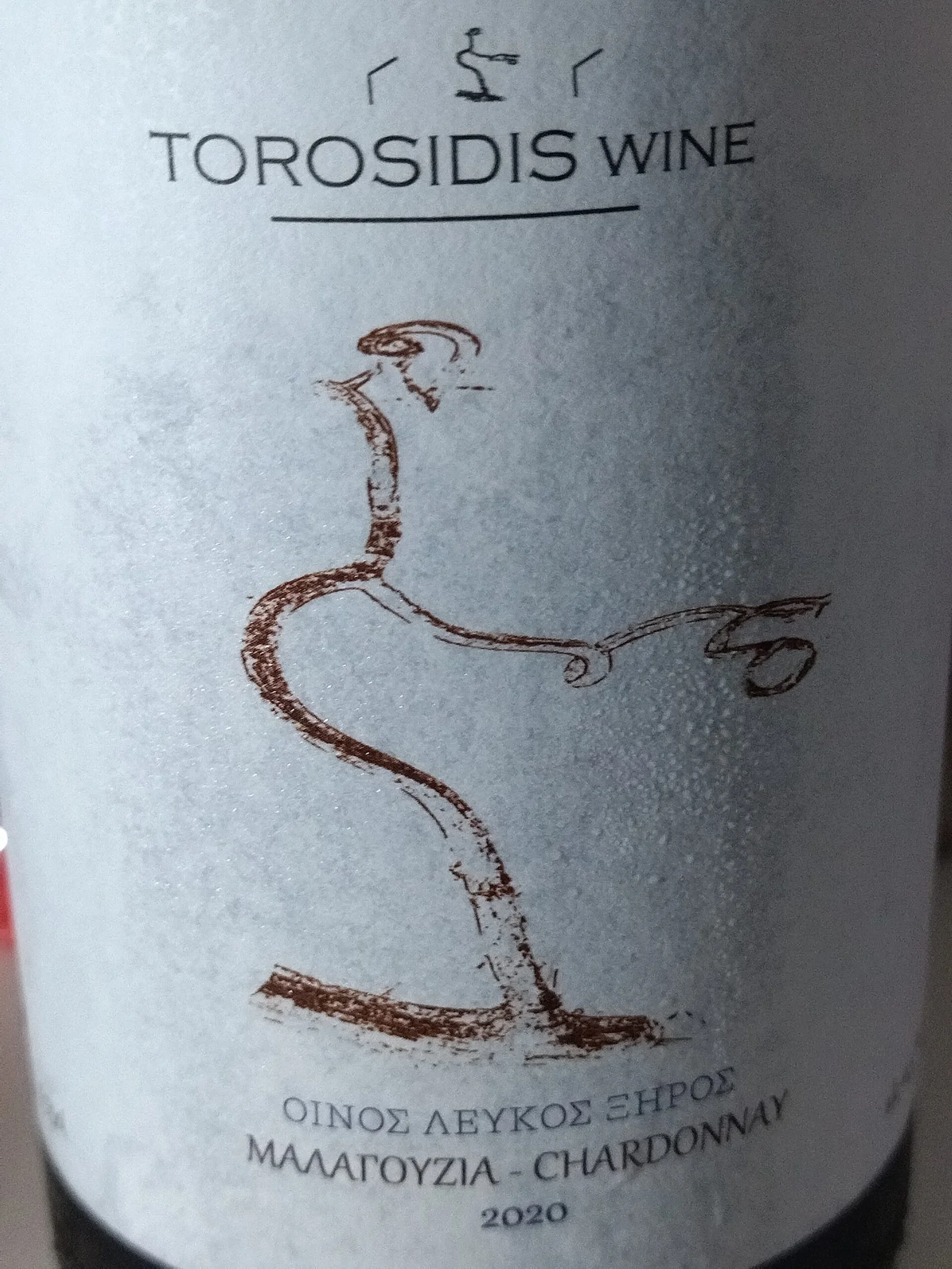
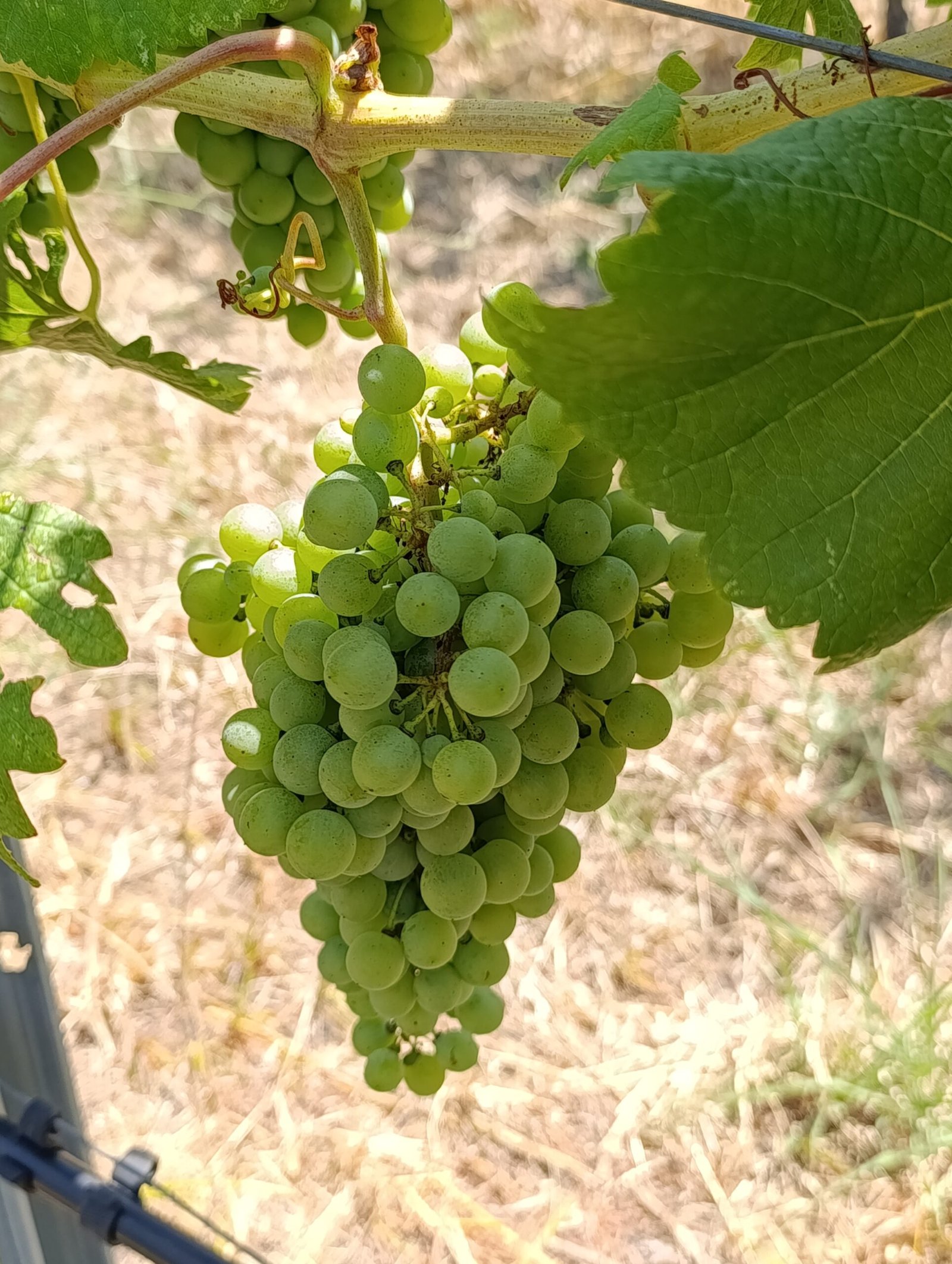
Malagouzia is one of the most important indigenous white varieties in Greece and a typical example of a successful revival of the Greek wine-growing heritage. · From an almost abandoned variety in the 20th century, , became an internationally recognized raw material for the production of high-quality aromatic wines.
Modern scientific research attributes its special character to the combination of volatile compounds, such as terpenes, esters and volatile thiols, while organoleptic studies highlight a complex aromatic profile with citrus fruits, flowers, stone fruits and subtle botanical notes.
This review attempts to summarize the most important scientific data on Malagouzia's history, biology, viticulture, aroma chemistry and winemaking potential, based on recent literature from international scientific journals.
The rebirth of a Greek variety
Malagouzia (Vitis vinifera L.) is one of the indigenous Greek varieties, although its exact historical origin remains the subject of scientific investigation.
During most of the 20th century, its cultivation was significantly reduced. Its sensitivity to mildew (Erysiphe necator), combined with the preference of producers for more productive or easier varieties, led to its gradual abandonment.
Its revival was one of the most important successes of modern Greek viticulture. Thanks to the efforts of Greek winegrowers and winemakers who distinguished its special aromatic potential, Malagouzia has returned dynamically to Greek vineyards and today it is one of the most recognizable Greek white varieties internationally.
It is now cultivated in many wine-growing zones of Greece, either as a single-variety wine or as part of quality blends.
Identity and wine-growing characteristics
Malagouzia belongs to the species Vitis vinifera L., which includes the most important wine grape varieties worldwide.
Its commercial value is mainly based on its strong aromatic potential, but this is only expressed when appropriate wine-growing practices and careful vinification are combined.
Vineyard management
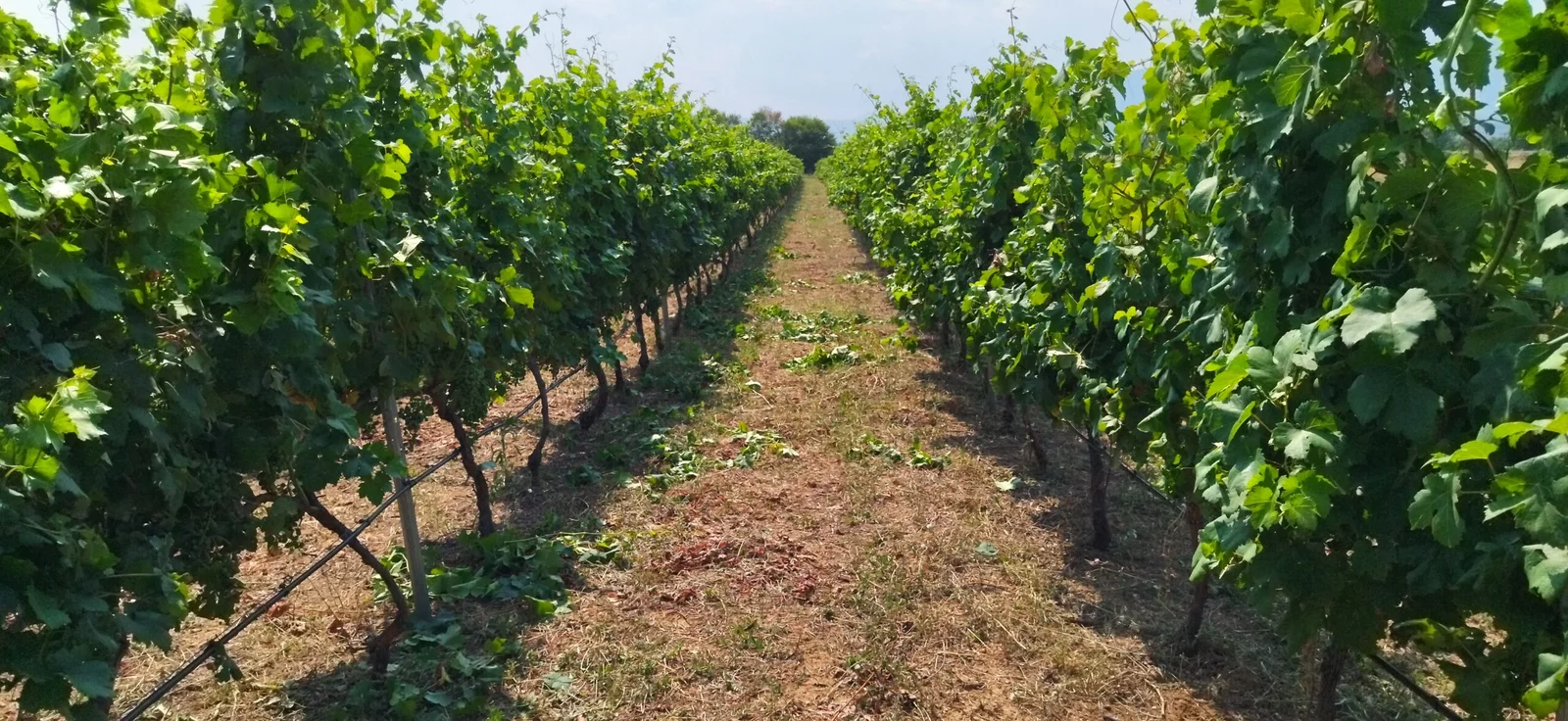
The cultivation of Malagouzia requires special attention to plant protection and foliage management.
Proper canopy management affects:
- the aeration of the grapes,
- photosynthesis,
- the temperature of the berries,
- the development of maturation.
At the same time, excessive sun exposure can negatively affect the composition of the grapes, which makes it essential to manage the vineyard's microclimate in a balanced way.
The time of harvest
Choosing the right harvest moment is a crucial factor in expressing the variety.
Scientific literature points out that the assessment of maturity should not be based solely on sugars, but should take into account:
- the total acidity,
- the health of the grapes,
- the development of aromatic precursors,
- the desired style of the final wine.
The Chemistry That Creates Fragrance
Malagouzia's characteristic aroma is due to a complex set of volatile organic compounds.
With modern techniques such as gas chromatography-mass spectrometry (GC-MS), researchers have identified dozens of compounds that help create its aromatic profile.
Terpenes: the basis of floral expression
Terpenes are one of the most important categories of aromatic compounds.
In Malagouzia, among others, the following have been detected:
- linalool ,
- geraniol,
- alpha-terpineol ,
- hotrienol.
These compounds are associated with aromas of white flowers, citrus blossoms, and fresh flowers.
It is interesting that a recent study showed that Malagouzia has a high concentration of bound terpenes, i.e. aromatic precursors that can be released during winemaking or ageing (Karadimou et all , 2025).
Esters: the fruity characteristics
Esters are mainly formed during alcoholic fermentation.
They contribute to the perception of perfumes such as:
- apple,
- pear,
- citrus fruit,
- tropical fruit.
Their final concentration depends significantly on:
- yeast selection,
- the fermentation temperature,
- the nutritional status of the must.
Volatile thiols
Volatile thiols are highly active compounds that are perceived even at very low concentrations.
Kapaklis doctoral research (2014) has shown that Malagouzia wines can contain significant amounts of specific thiols that contribute to the freshness and complexity of the aroma.
However, their presence varies significantly between different wines and is not a constant feature of every Malagouzia.
Organoleptic profile
organoleptic study on Malagouzia published in the journal Foods by Nanou and colleagues (2020) , with the participation of trained tasters systematically recorded the main aromatic characteristics of the variety.
Characteristic aromas
Malagouzia wines may have combinations of:
- lemon,
- grapefruit,
- citrus blossoms,
- peach,
- white flowers,
- fresh herbs,
- subtle tropical notes.
Earthy or mushroom hues were also observed in some samples, which confirms that the variety is not expressed in an entirely identical way in every vineyard or winemaking.
Mouth
In the mouth, Malagouzia usually combines:
- refreshing acidity,
- moderate body,
- intense aromatic aftertaste,
- good balance between fruit and freshness.
Depending on the winemaking approach, it may become more complicated by staying on the lees or additionally structured by ageing in oak or other wooden barrels.
The effect of winemaking
Winemaking has a decisive influence on the way Malagouzia is expressed.
Selection of yeasts
A study showed that different indigenous yeast strains create different aromatic profiles. · The research recorded 62 different volatile compounds, with linalol and phenylacetaldehyde among the most important for final character formation (Karampatea et all , 2022).
Fermentation temperature
Controlled fermentation at appropriate temperatures helps preserve volatile aromas and create fresh, expressive wines.
Proper oxygen management during winemaking is equally important to protect delicate aromatic compounds.
Extraction and contact with the marc
Short pre-fermentation extraction can enhance the release of aromatic precursors.
However, excessive duration can increase the extraction of phenolic compounds and affect the balance of the wine.
Wine lees and barrel
Staying on fine lees can impart:
- larger volume,
- creamier texture,
- increased aromatic complexity.
A recent study (Beverages, 2025) has shown that ageing and different processing techniques can lead to noticeable differences between commercial Malagouzia wines from Macedonia and Thessaly.
The terroir of Malagouzia
Malagouzia is now cultivated in many Greek wine regions.
The concept of terroir involves the interaction between:
- soil,
- climate,
- altitude,
- human intervention,
- winemaking practice.
Recent research on commercial wines has shown that both the geographical origin and the choices of the winery contribute to the differentiation of the final character.
This means that Malagouzia does not express a unique identity, but a range of different expressions that remain recognizable in terms of their varietal character.
Phenolic composition and antioxidant action
Apart from the aromas, Malagouzia has an interesting phenolic profile.
A study in the Journal of Food Composition and Analysis (2014) highlighted the main phenolic compounds:
- tyrosol ,
- caffaric acid,
- caffeic acid,
- derivatives of glutathione.
These compounds participate in the oxidation reactions and affect the stability and overall quality of the wine.
It is important to clarify that laboratory measurements of antioxidant capacity do not document direct benefits for human health, but describe the chemical behaviour of the wine under controlled conditions.
The Importance of Malagouzia for Greek Wine
Malagouzia's success is a prime example of how indigenous Greek varieties can create international added value.
Its strong aromatic personality, combined with flexibility in winemaking approaches, make it ideal for both fresh aromatic wines and more complex versions with the potential for evolution.
At the same time, it continues to be the subject of active scientific research in areas such as:
- the genetics of the variety,
- aromatic precursors ,
- indigenous yeasts,
- the effect of terroir,
- the evolution of the aroma during ageing.
Conclusions
Malagouzia is not just another Greek white variety. It is a prime example of how scientific knowledge, the preservation of the wine-growing heritage and modern winemaking can make a nearly forgotten variety an international reference point.
Available scientific studies confirm that its aromatic profile is formed by a complex combination of terpenes, thiols, esters and other volatile compounds. At the same time, they highlight that the final expression of the wine depends on the interaction of the vineyard, the ripening of the grapes and the winemaker's choices.
Malagouzia is today one of the most important ambassadors of modern Greek wine, proving that innovation can coexist harmoniously with tradition.
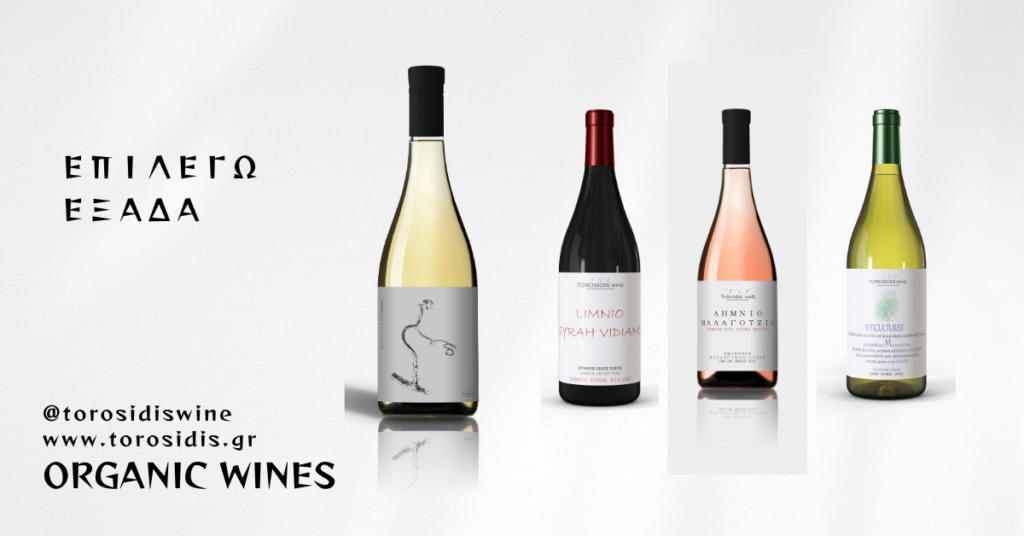
Discover our wines
Scientific literature
1.Nanou, E., Mavridou, E., Milienos, F. S., Papadopoulos, G., Tempère, S., & Kotseridis, Y. (2020). Odor Characterization of White Wines Produced from Indigenous Greek Grape Varieties Using the Frequency of Attribute Citation Method with Trained Assessors. Foods, 9(10), 1396. https://doi.org/10.3390/foods9101396
2. Karampatea, A., Vrhovšek, U., Tsakiris, A., Dimopoulou, M., Kourkoutas, Y., & Skavdis, G. (2022). Organoleptic and Quality Characteristics of Malagousia Variety, Grapes Fermented with Selected Indigenous Yeast Strains. South African Journal of Enology and Viticulture, 43(2), 133–145. https://doi.org/10.21548/43-2-5405
3. Karadimou, C., Kalogiouri, N. P., Chatzidimitriou, E., Ouroumi, N.-A., Gkrimpizis, T., Theocharis, S., Menkissoglu-Spiroudi, U., & Koundouras, S. (2025). Non-targeted analysis using gas chromatography mass spectrometry to assess the free and bound aroma fingerprints of the emblematic Greek white winegrape varieties and guarantee varietal authenticity using multivariate chemometrics. Food Chemistry. https://doi.org/10.1016/j.foodchem.2025.142968
4. Investigation of the Combined Impact of Location and Processing on the Quality Characteristics of Commercial Malagousia Wines from Northern Greece. (2025). Beverages, 11(5), 147. https://www.mdpi.com/2306-5710/11/5/147
5. Phenolic composition and radical scavenging activity of commercial Greek white wines from Vitis vinifera L. cv. Malagousia. (2014). Journal of Food Composition and Analysis, 33(2), 166–174. https://doi.org/10.1016/j.jfca.2013.12.009
6. Kapaklis, A. (2014). Impact of specific volatile thiols on varietal aroma of wines produced from Greek and some international grape varieties. Doctoral dissertation, Justus Liebig University Giessen. https://doi.org/10.22029/jlupub-16683
Note on methodology
This text contains data from published literature and not a systematic review with an exhaustive search of all available studies. The conclusions of the reported surveys relate to the specific samples and experimental conditions examined. They should not be generalised without reservation in all vineyards and in all Malagouzia wines.