Botrytis cinerea infestation can be catastrophic in many crops when conditions are favourable for disease progression. Whilst several , plant protection products have been developed, losses from botrytis are still significant.
· At the same time, the increasing susceptibility of consumers to the adverse effects of synthetic plant protection products on human health and the , environment together with zero tolerance to residues from many , markets leads to the restriction of their use.
· Correspondingly , in the context of organic farming that has been developing rapidly in recent decades , the use of chemical plant protection products is absent.
In order to maintain production at satisfactory levels under these plant protection conditions, excellent knowledge of the epidemiology of the disease is required.
· Conidia produced in late winter and early spring from wintering mycelium or from sclerotia in host tissues or in , soil are considered to be responsible for the primary infections caused by botrytis in spring. Many are the hosts of botrytis. Over 200 species have been found to be the source of botrytis primary infection (Sutton et al., 1991).
· It has been found that in areas characterised by the production of , fruit and vegetables, conidiums of B. cinirea constitute a significant proportion of the air microflora (Bisiach et al., 1984).
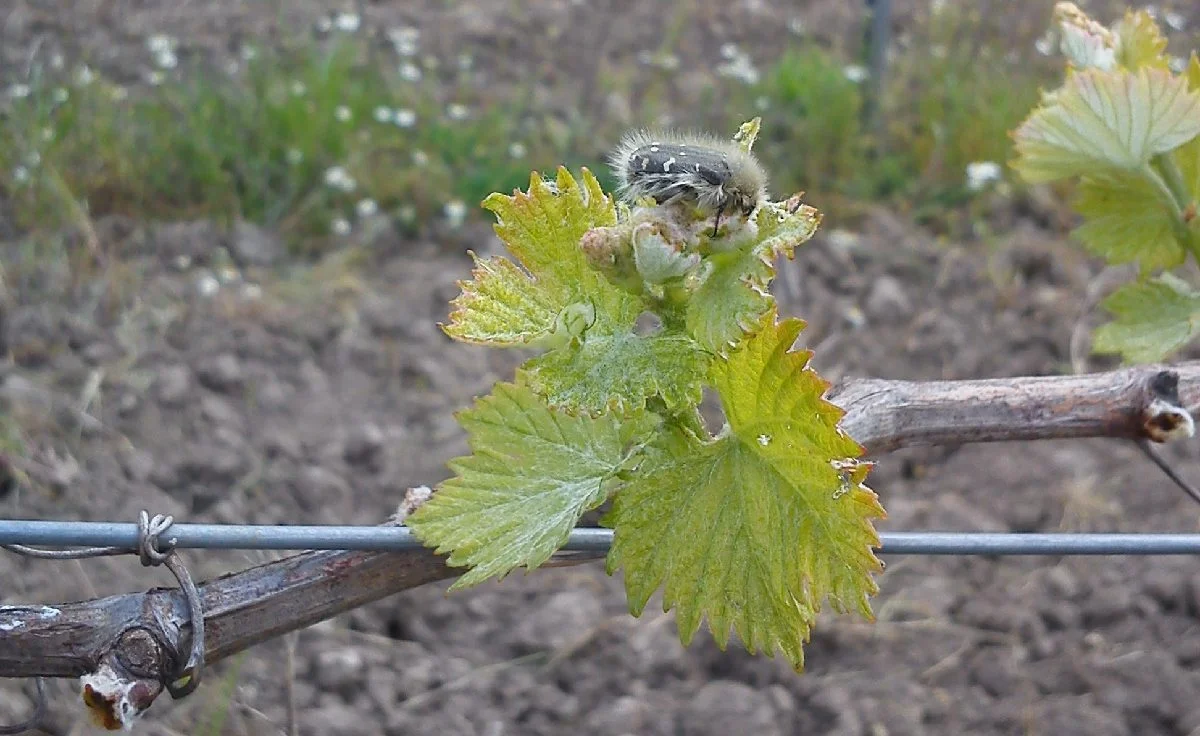
· In spring , insects can also act as carriers of primary infection for botrytis. There are also references to the existence of warehouses in the vineyard, but these are rare.
It was found that B. Cinerea's mycelium survived for 30 weeks on vine pruning, with its preservation being significantly influenced by applied weed-killing practices and prevailing temperatures (Thomas et al., 1983).
· It has been found that in areas characterised by the production of , fruit and vegetables, conidiums of B. cinirea constitute a significant proportion of the air microflora (Bisiach et al., 1984).
* In the context of organic farming, which has been developing rapidly in recent decades ,, the use of chemical plant protection products is absent.
In order to maintain production at satisfactory levels under these plant protection conditions, excellent knowledge of the epidemiology of the disease is required.
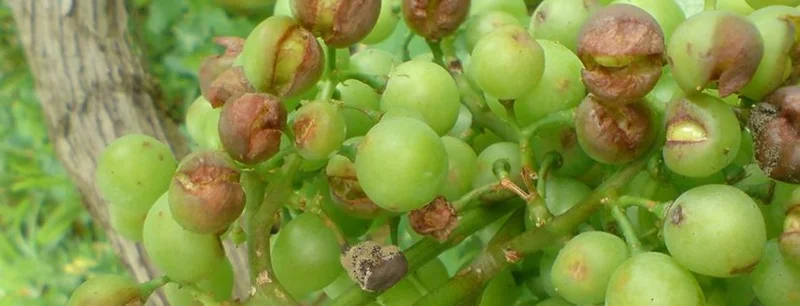
Epidemiological studies have shown that there is a significant link between the infestation of aging flower tissues in spring and the progression of the disease during harvesting and storage. This makes flowering very important for the progression and epidemiology of the disease.
· , vine flowers during their aging , are particularly susceptible to botrytis contamination (Jersch et al., 1989). The limited resveratrol composition may also contribute to the increased botrytis sensitivity of the vine flowers (Keller et al., 2003).
In general, infestations during flowering cause latent infections in immature fruits (Williamson, 1994), but all infected fruits during harvesting are not interpreted by infestations during flowering and latent infections.
· Conidal infestation on the pole and ovary begins with infection of the pole tissues followed by slow growth of mycelial textures within the ovary, where the botrytis eventually enters a latent phase; as the host plant's defense decreases , which usually coincides with maturation , the botrytis completes its growth and causes rot on the fruit.
On the vine, infestation of stigma during the early stages of the vegetative period was considered to be the most common route for infecting the fruit (McClellan and Hewitt, 1973, Nair and Parker, 1985, Nair and Hill, 1992).
In some wine-producing regions pole contamination is considered to be less significant although fruit rots were found as a result of latent contamination in the pole detachment zone (Pezet and Pont, 1986; Holz et al., 2003)
In other areas these infections are considered important for the epidemiology of botrytis (Keller et al., 2003).
In favorable conditions, the reactivation of botrytis in the tissues of the pole leads to the production of conidiums and therefore to the creation of additional sources of infection for the infestation of the remaining aged and necrotic poles.
The role of the other floral organs beyond the pole was further investigated.
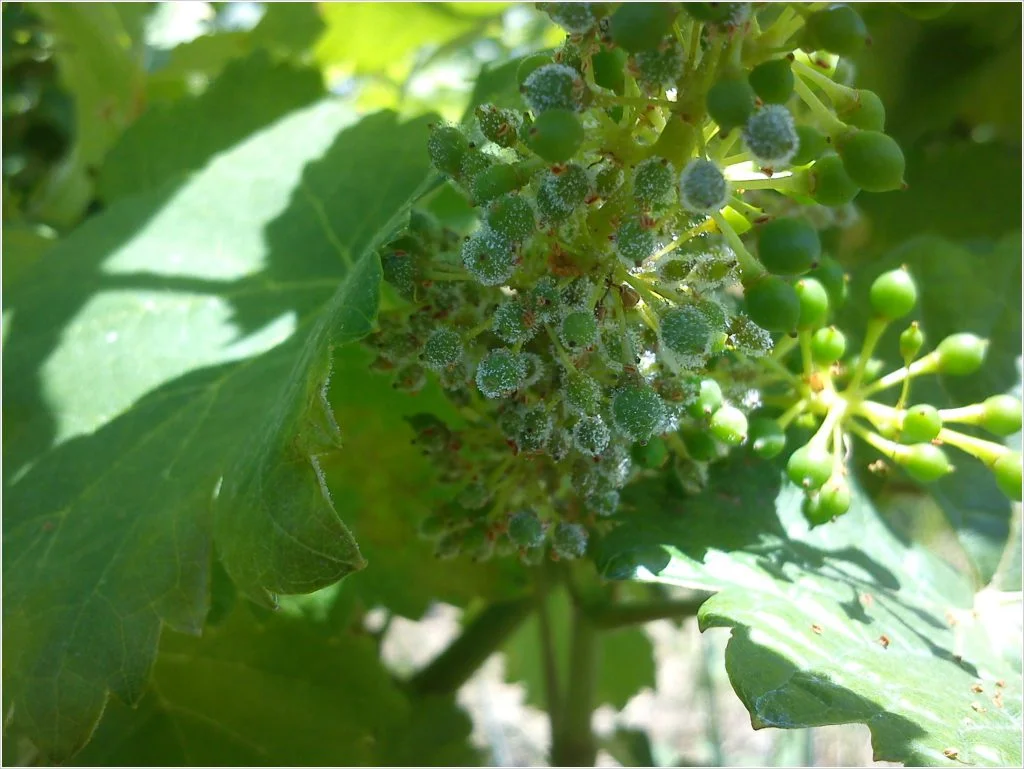
· Infections from stamens or even petals and the growth of mycelial textures through the flower tissues towards the , calyx cause latent infections which develop very aggressively during the ripening of the fruits.
* In , grapes histological studies have shown that botrytis infects the stamens , evolves basaltically to infect the calyx and then develops systemically towards the peduncle and duct tissue of the rails (Pezet and Pont, 1986).
Botrytis infections from rail stalks have been confirmed. * Both the branches of the botry and to a lesser extent the spine in the early stages of development of , rails are sensitive, but their resistance to infections increases over time (Holz, 2001).
The point of adhesion of the rail to the stalk shows the highest percentage of botrytis infections. * Oral and occlusive , cells are considered the entry point for botrytis infections in the pods and back (Holz et al., 2003).
Significant percentage (76 out of 90%) the infections on the rails started from the point of contact of the rail with the peduncle (Michailides et al., 2000b).
In grapes of the Red Globe table variety it was found that the most important infestations metaharvests came from infections that occurred at the beginning of flowering and during full flowering (Michailides et al., 2000b, c).
Experimental data from vineyards around the world confirm the importance of flower infections in epidemiology and disease progression. * For example , a single application with some botrydicide towards the end of flowering managed to reduce by 78 % the percentage of grapes affected at harvest (Viret and Keller, 2000).
* In any case ,'s potential for infection with botrytis is numerous , and the infections caused by conidia in ripe fruits in later vegetative stages are as important as latent infections of green tissues at the beginning of the vegetative period (Wilcox, 2002).
Flower residues remaining in the grape are attacked and colonized extensively by botrytis. · There the fungus surpasses the summer conditions of the , saprophytic without causing obvious symptoms in the , fruit as during this period the natural defense of the rails is maintained at high levels, but from the passing and after the resistance mechanisms of the rails are bent , and as the rails mature the saprophytic mycelium is reactivated providing sufficient infection to cause serious lesions in the fruit (Keller et al., 2003).
Contaminated flower tissues that remain in the grape are a remarkable source of mycelium. However, the evolution of this mycelium differs significantly between the cultivated varieties of the vine. · Remains of stamens, blossoms , rails , covers , propellers and pieces of leaves are often trapped in the grape. It was found that botrytis contamination of these residues ranged between 13 and 72% · , demonstrating that, in direct contact with the , growing rails, there is a significant infestation in the , grape before it is "closed" (Seyb et al., 2000a).
* As the plant's defense mechanisms weaken , symptoms appear , new conidia are produced and dispersed in the environment causing new infections. · In vineyards all over the world, the maximum content of conidium in the air occurs during the , flowering, the percussion and the maturation (Vercesi and Bisiach, 1982).
· So , when ripening begins there is plenty of infestation to cause new infections in the vegetation and fruits.
Source: EPIDEMIOLOGY OF BOTRYTIS CINEREA IN ORCHARD AND VINE CROPS.Elad et al. (eds.), Botrytis: Biology, Pathology and Control, 243-272.© 2007 Springer.