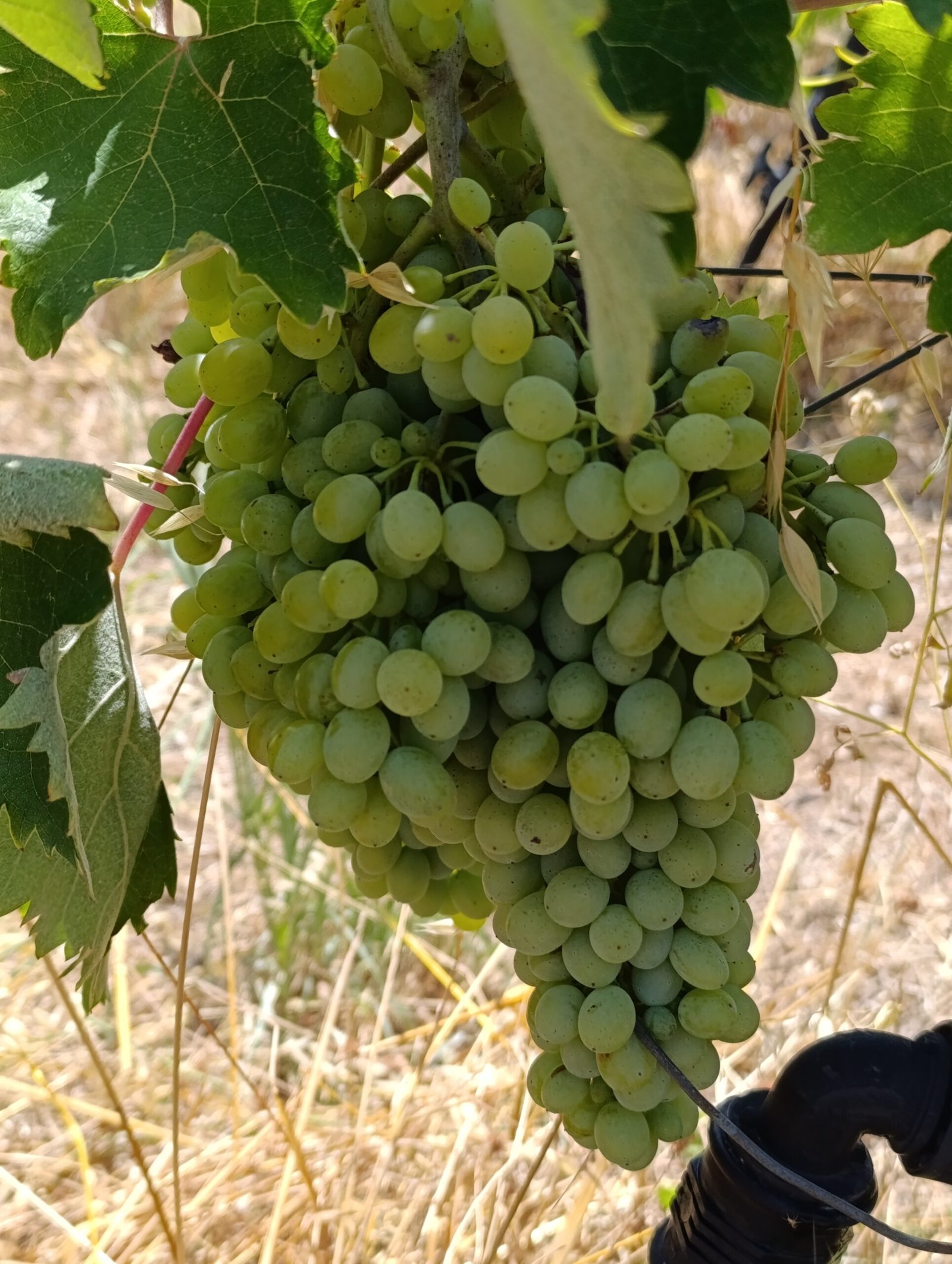
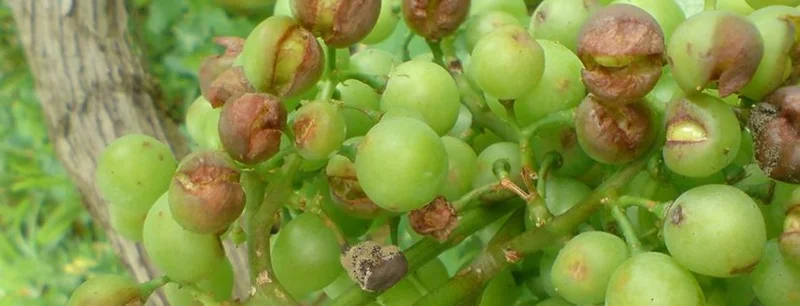
rots due to botrytis (Botrytis cinerea) are responsible for severe production losses both in the field and post-harvest , in a wide range of economically important crops.
Traditionally, chemical methods were used to combat botrytis. But the long-term use of fungicides has resulted in the development of resistant strains of , fungus while at the same time the residues of these plant protection products on crops have increased significantly.
* As for the post-harvest treatment of , fruits there are few chemical methods available to combat ,, alternative products with fungicidal properties for protection against botrytis (Botrytis cinerea) have been sought.
· It was found that local infections with certain , pathogens increased fruit resistance to a wide range of other , pathogens such as , fungi bacteria and viruses.
There are also reports that the defensive mechanisms of plants are promoted by the application of a chemical agent; several such agents have been recognized to promote the resistance of plants to fungal infestations and botrytis.
The substance chitosan was found to be effective against fungal and bacteriological infestations. It is also known for its action as a biostimulant that in many plants promotes their defense by activating the action of enzymes such as chitinases.
Acibenzolar-S-methyl is a biostimulant of plant defense mechanisms. It was found to be effective in managing gray rot (botrytis) in strawberry.
It was found that both of these substances can limit the growth of botrytis in the laboratory and help protect grapes from fungus.
· Synthetic chemical compounds that stimulate the natural defenses of , plants as well as compounds found in , nature that promote the defense mechanisms of , plants are an alternative perspective for disease management.
Source: Sensitivity of Botrytis cinerea to chitosan and Acibenzolar-S-methyl. Zaida Munoz and Assumpcio Moret. Pest Management Science 2010 ,66: 974-979.