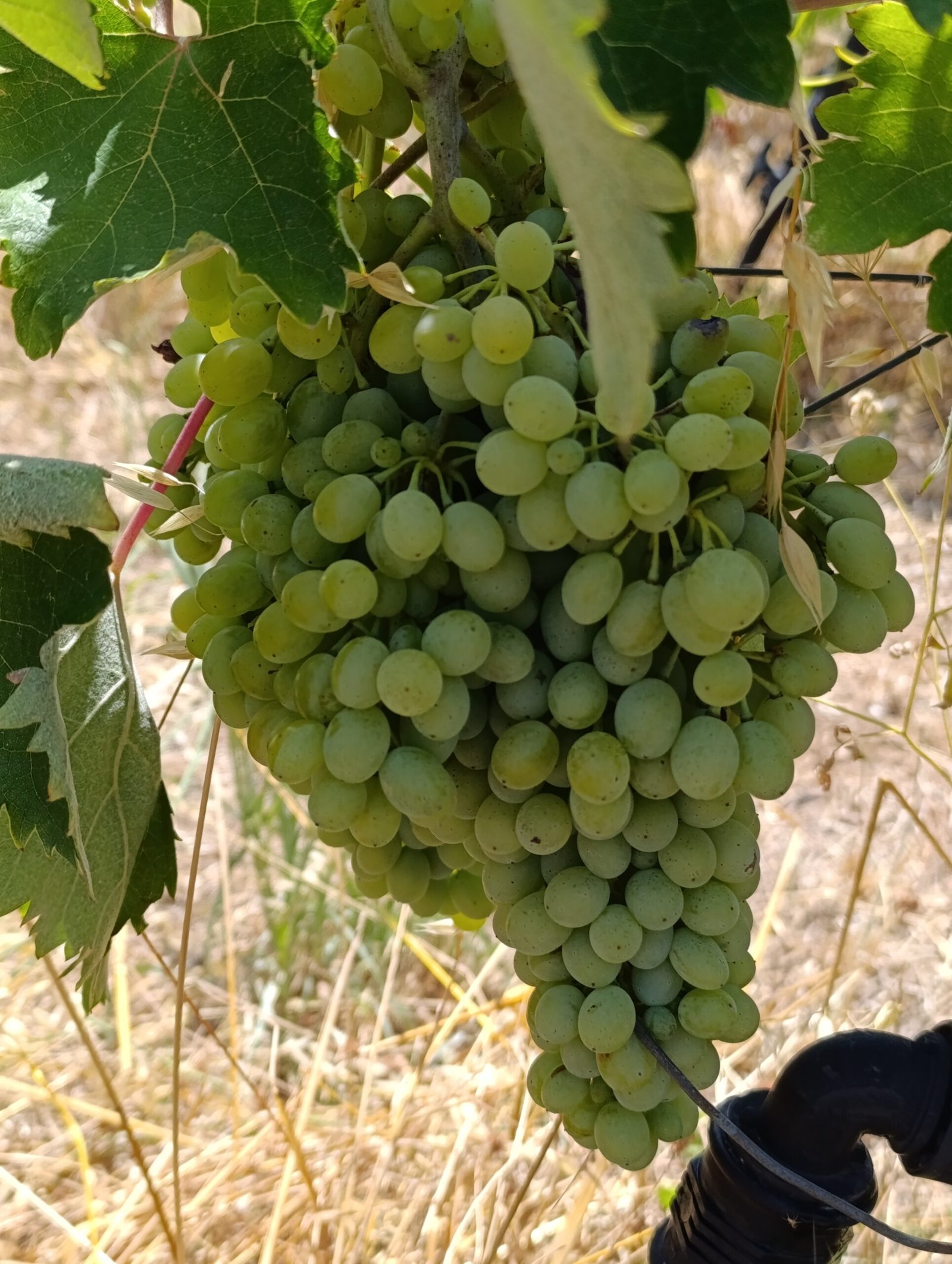
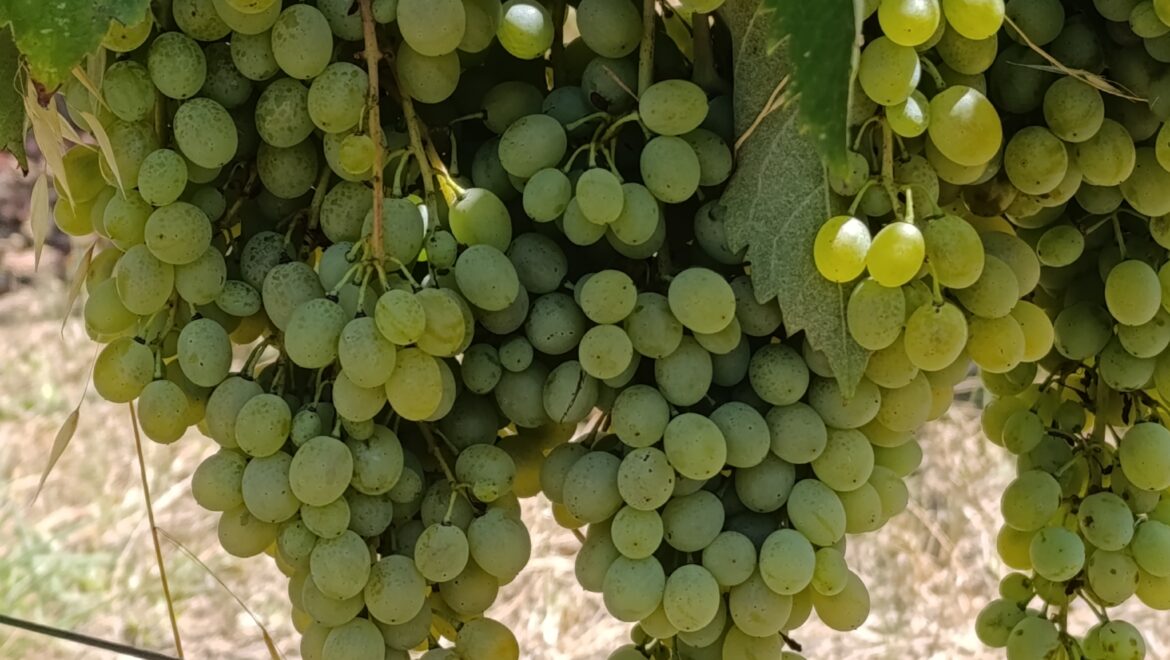
Vidiano is an old, indigenous white grape from the island of Crete that has only recently begun to be studied and replanted more widely. Existing research papers focus on its origin, genetics, and early data on the aroma and phenolic (polyphenolic) profile of its wine.
Origin, Situation and Genetics
- Vidiano is described as a old, native variety from Crete, also known as "Abidiano", which is now considered as one of the best white varieties on the island, with plantings increasing in recent decades (Nanou et al., 2025).
- Historically cultivated sparsely, mainly around Rethymno, Crete (Lekka et al., 2026; Nanou et al., 2025).
- It is officially recognized by the Greek authorities among the emblematic Cretan white grapes for the production of quality wine (Avramidou et al., 2023).
- Genetic and ampelographic works show that Vidiano is closely related to other Cretan whites such as Vilana, Lagorthi and Thrapsathiri, although the newer data no longer support an extremely high similarity with Vilana (Lekka et al., 2026; Nanou et al., 2025).
- SSR indicator studies confirm Vidiano as indigenous white wine variety with distinct genotype clusters within the Cretan gene pool (Lekka et al., 2026; Avramidou et al., 2023).
Wine style and organoleptic characteristics
- In comparative organoleptic evaluation in Greek white wines, Vidiano formed its own distinct sensory group, together with Moschofilero and Malagouzia, under standardised vinification (Doupis et al., 2025).
- In two vintages, Vidiano wines presented a ‘restricted aromatic expression’ compared to more strongly aromatic varieties such as Malagouzia (Doupis et al., 2025).
- Volatile analysis associated Vidiano particularly with tryptophol, stable for years, denoting a stable metabolic marker (Doupis et al., 2025).
- Research on the phenolic profile of Cretan wines identified Vidiano as the white variety with the highest representation (17 wines from 8 wineries across Crete), showing that it is now widely vinified and contributes significantly to the diversity of Cretan white wines (Avramidou et al., 2023).
Research gaps and current focus
- Indicate only a previous targeted organoleptic study for Vidiano, which focused on how different yeast species influence its aroma (Doupis et al., 2025).
- There are few published on viticulture (yield, resistance to diseases) or the detailed mouthfeel and aging potential (Doupis et al., 2025; Avramidou et al., 2023; Lekka et al., 2026; Nanou et al., 2025).
Conclusion
Vidiano is an old but recently appreciated Cretan white grape, now considered as one of the most promising indigenous varieties of the island. Research shows that it is genetically distinct within a rich Cretan grape tank and produces white wines with a restrained but characteristic aromatic profile characterized by specific volatiles such as tryptofol. However, the detailed sensory, viticultural and oenological characterisation is still limited, so current knowledge only captures the early outline of Vidiano's full potential.
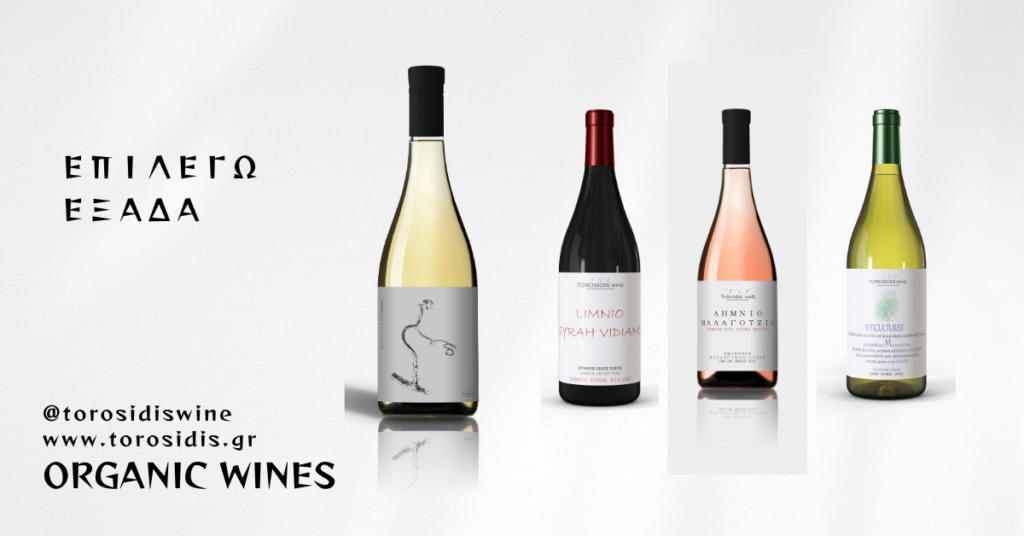
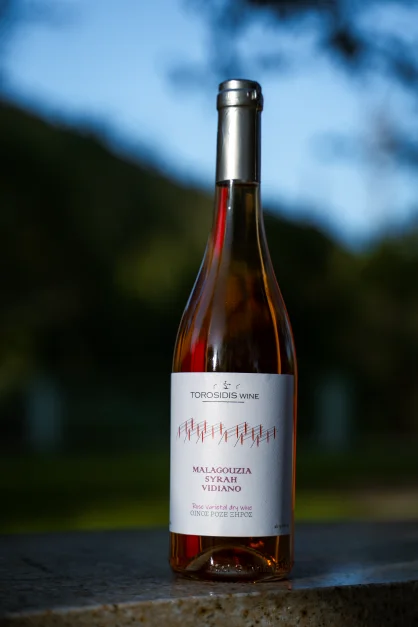
Meet our wines
Bibliographic references
Avramidou, E., Masaoutis, I., Pitsoli, T., Kapazoglou, A., Pikraki, M., Trantas, E., Nikolantonakis, M., & Doulis, A. (2023). Analysis of Wine-Producing Vitis vinifera L. Biotypes, Autochthonous to Crete (Greece), Employing Ampelographic and Microsatellite Markers. Life, 13. https://doi.org/10.3390/life13010220
Doupis, G., Pitsoli, T., Merkouropoulos, G., Roka, L., Ralli, P., & Taskos, D. (2025). Morphological and Molecular Profiling of Twelve Native Grapevine Varieties From Crete and Thira Islands of Southern Greece: Insights Into Intra-varietal Diversity. Journal of Agricultural Science. https://doi.org/10.5539/jas.v17n4p1
Lekka, P., Dimitropoulou, M., Rousali, A., Kiose, A.-M., Basalekou, M., Thomaidis, N., & Dasenaki, M. (2026). Decoding Cretan Wines: Phenolic Profiling of Greek Indigenous Wine Varieties Using LC-QTOF-MS. Molecules, 31. https://doi.org/10.3390/molecules31050815
Nanou, E., Metafa, M., Bastian, S. E. P., & Kotseridis, Y. (2025). Revealing the Unique Characteristics of Greek White Wine Made from Indigenous Varieties Through Volatile Composition and Sensory Properties. Beverages. https://doi.org/10.3390/beverages11020033