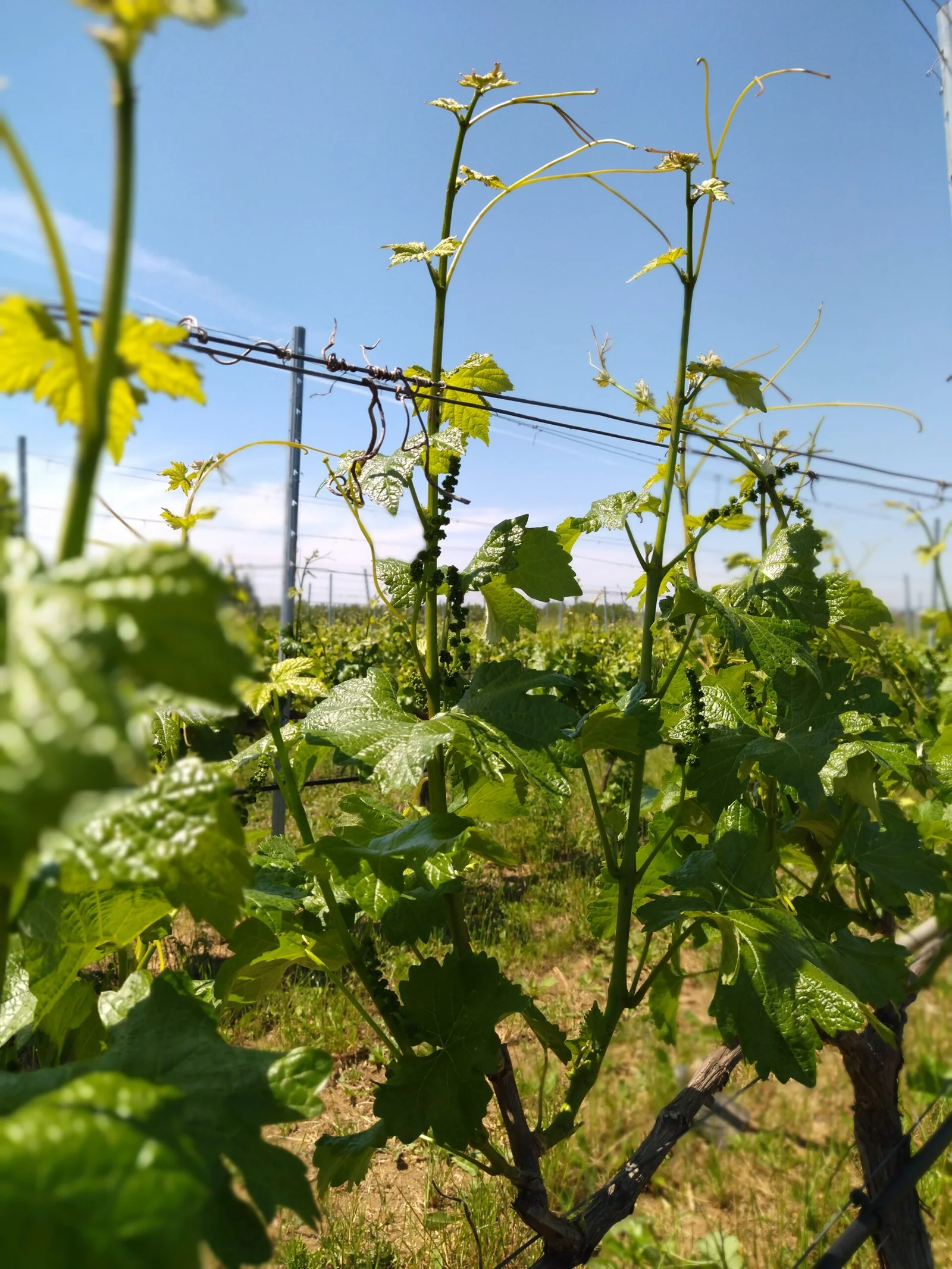
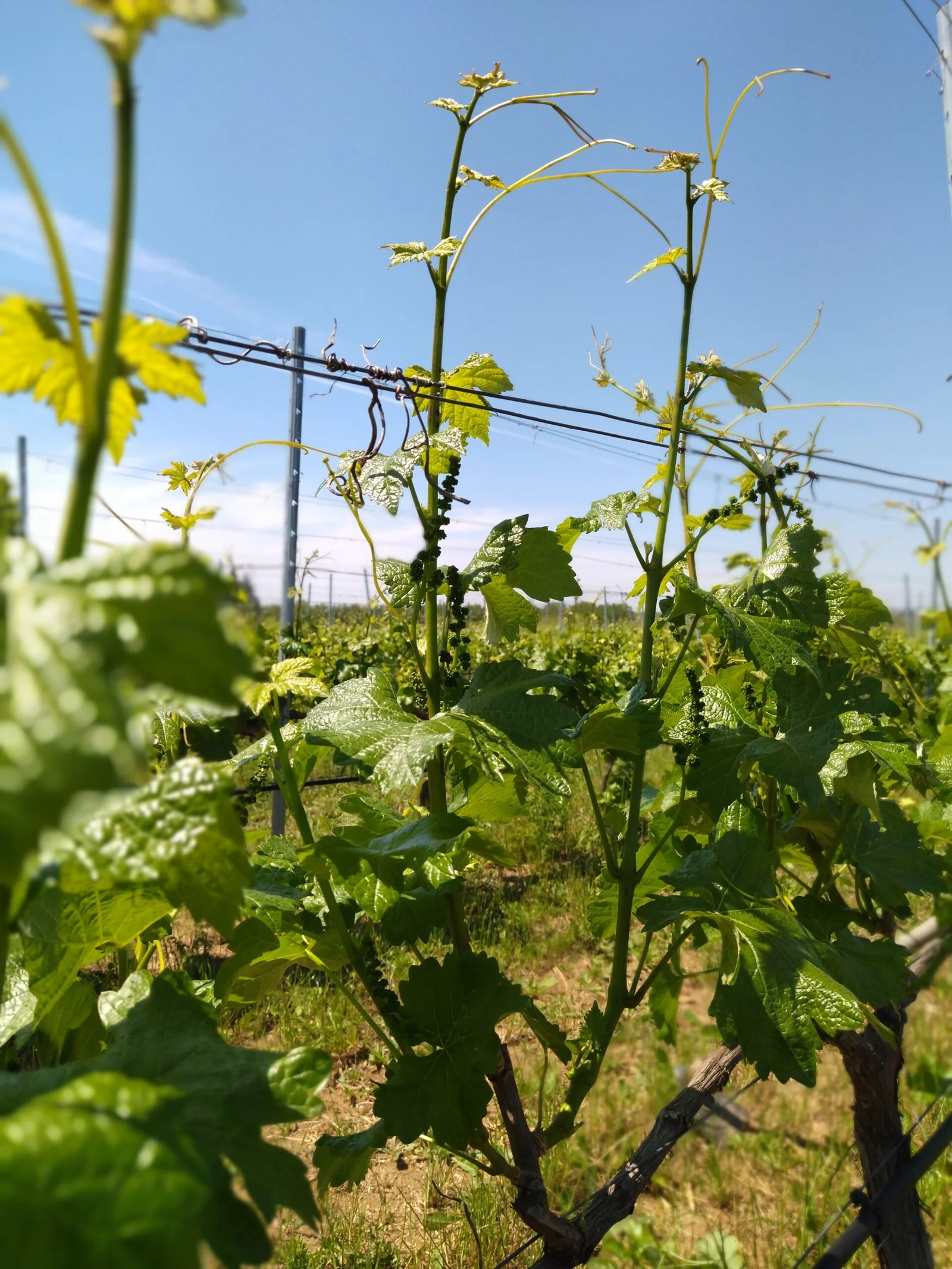
When applying nitrogen to a vineyard to correct a shortage or maintain its level in the vine at adequate levels it is important to remember that the uncontrolled use of nitrogen has a decisive influence on the composition of the grapes and on production. · When the nitrogen content in plants is high , the composition of the grape is mainly affected by the consequences of increased vegetative growth (e.g. microclimate of the vegetative walls).
· High nitrogen can disturb the balance of the , plant and lead to a limited supply of hydrocarbons if the plant is led to excessive load or increased vegetative growth. The application of increased amounts of nitrogen affects both vegetative growth and production. Experimental data have repeatedly shown that vegetative growth prevails at the expense of production (Kliewer 1971, Kliewer and Cook 1971, Kliewer 1980, Wolf at al. 1983, Ahmedullah et al. 1987, Wolf and Pool 1988, Tan and Crabtree 1990).
The reduction in production resulting from the application of high amounts of nitrogen to the vineyard is largely explained by changes in the microclimate of the vegetative walls as a result of shading in the renewal zone (Kliewer 1980).
· If the size of the source (e.g. the foliar area for hydrocarbon synthesis) does not increase in proportion to the size of the receivers (e.g. , production and storage tissues) , can cause competition for hydrocarbons between competing , receivers resulting in lower concentrations of quality components in the rail (Kliewer and Ough 1970).
Kliewer (1977a) found that the addition of high amounts of nitrogen resulted in reduced coloration of the rails and reduced concentrations of total soluble solids.
* In addition , changes in the microclimate of plants as a result of limited light penetration and temperature variation , predominantly can affect the rate of photosynthesis and thus the amount of photosynthesis products formed (Kriedemann 1968).
· Given the characteristics of any , support system, increasing vigor implies increased density resulting in a differentiation of the microclimate of the vegetative walls (Smart et al. 2011). 1985, Wolf and Pool 1988, Bell and Robson 1999).
Increased density results in a decrease in the ratio between non-shaded and shaded leaves (Bell 1994). This has the potential to limit the production of photosynthesis products because an increasing number of leaves do not photosynthesize as much as possible due to leaf shading (Mullins et al. 2009). 1992).
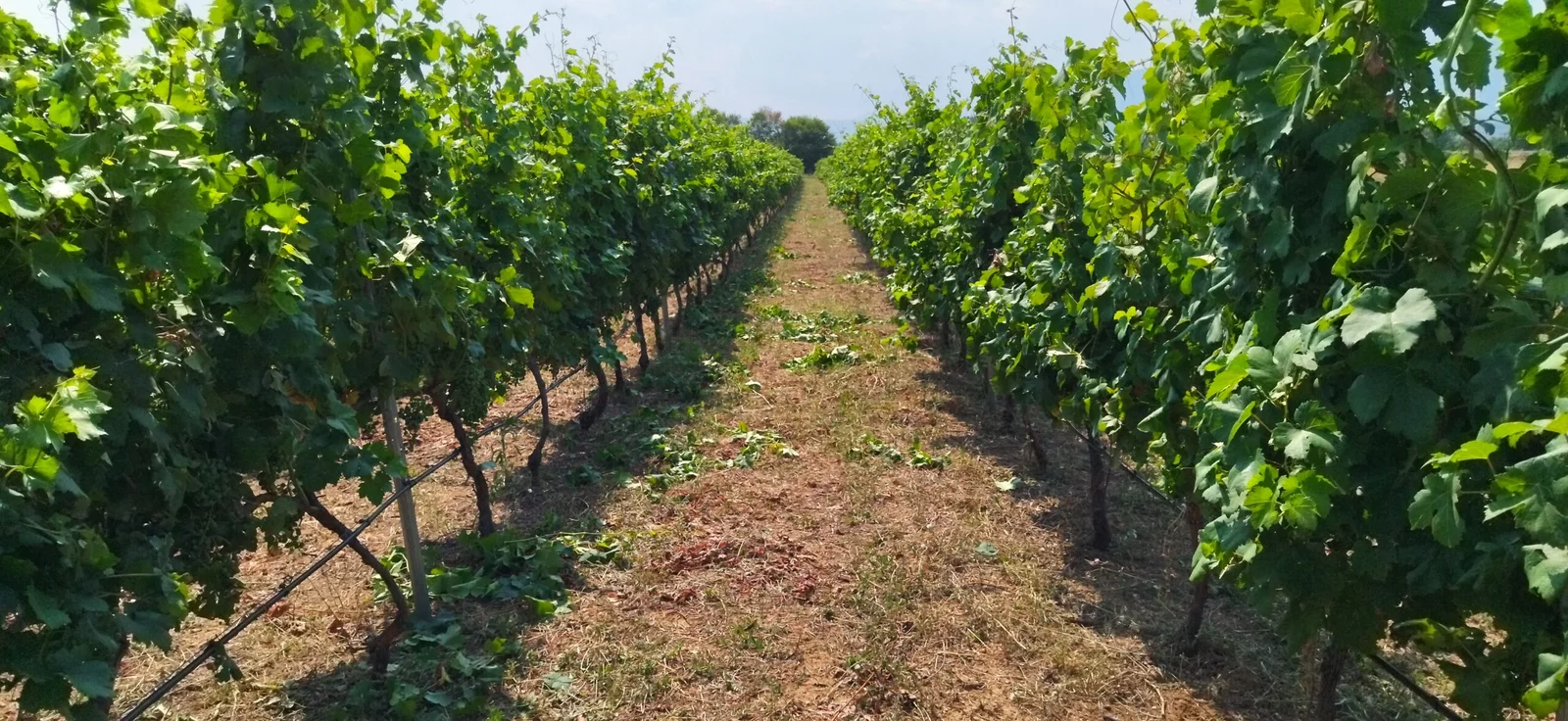
· The change in the microclimate of the vegetative wall involves the differentiation of a number of environmental factors within the , vegetative wall such as , solar radiation, , temperature, wind speed and evaporation (Smart 1985). Light and temperature have a strong effect on the metabolism of the rail (Iland 1989a,b).
· Increased vegetation density leads to low light penetration and low temperatures in the , fruiting zone, which can be beneficial or destructive depending on the prevailing climatic conditions.
Source : Bell S-J and P.A. Henschke , 2005. Implications of nitrogen nutrition for grapes , fermentation and wine. Australian Journal of Grape and Wine Research 11 , 242-295.